
Which AWD feels more capable around Wilmington, DE — S-AWC on the Outlander or Symmetrical All-Wheel Drive on the Forester?
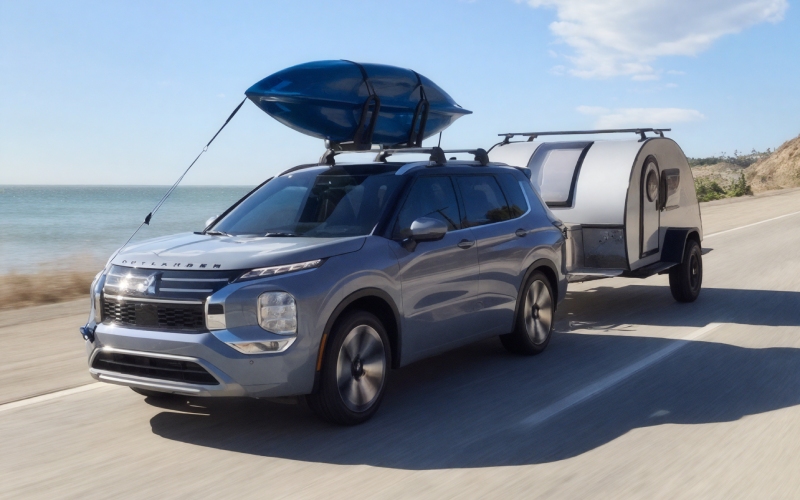
Sheridan Mitsubishi – Which AWD feels more capable around Wilmington, DE — S-AWC on the Outlander or Symmetrical All-Wheel Drive on the Forester?
Shoppers often ask a straightforward question when cross-shopping compact SUVs: which all-wheel-drive system inspires more confidence in daily life and weekend plans around Wilmington, DE? On paper, both Mitsubishi and Subaru have strong reputations. In the real world, understanding what each system is designed to do—and how it feels when you’re behind the wheel—helps you make a choice that fits your routines.
Subaru’s Symmetrical All-Wheel Drive is a full-time setup that continuously meters torque to all four wheels. It’s tuned to be transparent and predictable, so you simply drive and the system works in the background. Many Forester trims add X-MODE®—dual-function on Sport, Limited, and Touring—which tailors throttle and braking strategies to snow, dirt, and similar slippery conditions, plus Hill Descent Control for steadier, feet-off-the-pedals downslope control. It’s a smart combination and one reason the Forester nameplate has earned long-time fans.
How Mitsubishi’s S-AWC aims to help in everyday driving
Mitsubishi’s available Super All-Wheel Control (S-AWC) takes a slightly different approach. It layers traction management with active yaw control logic to help the vehicle rotate and hold its line with fewer corrections from the driver. The selectable drive modes—Tarmac, Gravel, Snow, Normal, and Eco—change steering assist, shift response, and power delivery to match the road’s grip. The effect is subtle: an Outlander equipped with S-AWC feels calm and planted in everyday maneuvers like lane changes, tight parking-lot loops, or merging as lanes shift around construction near the I-95/I-495 split.
Just as relevant are small details that complement control: the Outlander’s mild-hybrid 48-volt system smooths stop-start in gridlock, while Trailer Stability Assist is standard across the lineup. Together, those elements can reduce the “small stresses” in daily driving—especially when the family’s on board or you’re navigating unfamiliar streets downtown.
Real-life traction vs. driver confidence
When the roads are dry, both systems provide stable, predictable handling. When the surface gets damp or dusted with grit, S-AWC’s tendency to contain understeer helps the Outlander feel especially composed through sweeping ramps and mid-corner bumps. Drivers who prefer a more engaging feel—without ever touching a setting—often notice that composure in quick test drives. If your priorities skew toward ease and predictability above all else, the Forester’s approach may suit you; if you want a heightened sense of control without extra effort, S-AWC is a compelling advantage.
Technology can reinforce that confidence. The Outlander offers an available 360-degree multi-view camera, Head-Up Display, and an exclusive Yamaha® Premium/Ultimate audio system that helps keep the cabin relaxed and focused. The Forester counters with an available 360-degree Surround-View Monitor on Touring and standard EyeSight® Driver Assist Technology. Both are strong on active safety; Mitsubishi also backs the Outlander with America’s Best-Backed Vehicles coverage, adding a long view to your decision.
Who benefits most from S-AWC?
If your weekly routine includes mixed surfaces—paved arterials, occasional gravel pull-offs at parks, or leaf-strewn neighborhood streets—you’ll likely appreciate S-AWC’s balance of traction and rotation control. It’s not about trail conquering; it’s about subtle stability that makes you feel in command. That calm demeanor pairs well with the Outlander’s standard seven-passenger layout, so last-minute changes in carpool plans are easier to accommodate without stepping up to a larger vehicle.
We also hear from shoppers who prioritize cabin quiet and simple controls. The Outlander’s standard 12.3-inch Smartphone-link Display Audio with Navigation and wireless smartphone integration mean fewer cables and a cleaner setup; its available 20-inch wheels and clean LED lighting design bring a refined curb presence to match the way it drives.
Frequently Asked Questions:
Is S-AWC always on, or do I have to select a mode?
S-AWC is active whenever equipped; you can leave it in Normal and the system adapts. Selecting Tarmac, Gravel, or Snow further tailors steering assist, shift mapping, and torque delivery for added confidence.
How does Forester’s X-MODE compare to S-AWC drive modes?
X-MODE focuses on traction in low-grip conditions and hill control; S-AWC adds yaw-control logic that helps the vehicle hold its intended line on a wider variety of paved and unpaved surfaces.
Do I need S-AWC for city driving?
Not strictly, but many drivers appreciate the calm, planted feel it provides during quick merges, lane shifts, and tight turns—moments that are common across Wilmington’s main corridors.
To sum it up, both systems can get you where you’re going with confidence. If you value the subtle control and selectable tailoring of S-AWC—plus a flexible seven-passenger interior and refined tech mix—the Outlander makes a strong case for your commute and weekend plans. Visit Sheridan Mitsubishi for a closer look, with our team serving Wilmington, Newark, and Bear and ready to help you compare features and feel the difference in a thorough test drive route.
0 comment(s) so far on Which AWD feels more capable around Wilmington, DE — S-AWC on the Outlander or Symmetrical All-Wheel Drive on the Forester?