
Which AWD feels more confident for Newark, DE commutes — S-AWC on Eclipse Cross or Jeep Compass 4×4?
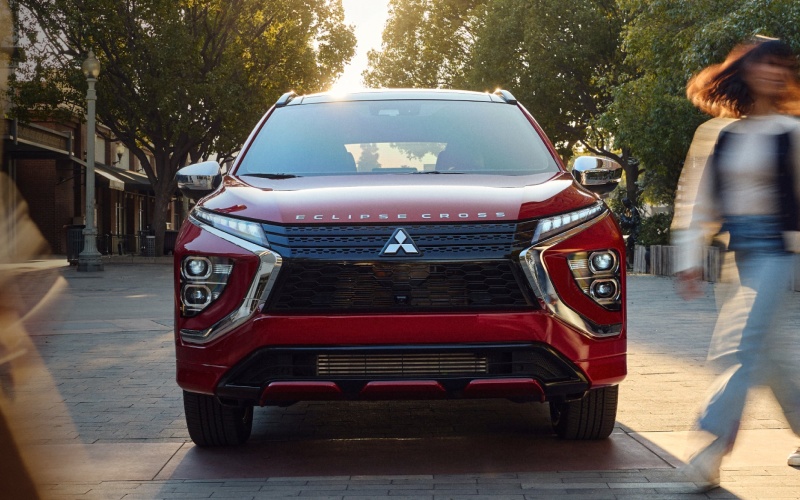
Sheridan Mitsubishi – Which AWD feels more confident for Newark, DE commutes — S-AWC on Eclipse Cross or Jeep Compass 4×4?
When drivers compare all-wheel traction for real-world commuting, the most common question we hear is simple: which system feels more confident day in and day out, Super-All Wheel Control (S-AWC) on the Mitsubishi Eclipse Cross or the Jeep Compass 4×4 systems with Selec-Terrain? This guide breaks down how each one works on the roads you use most around Newark, DE, from damp morning commutes to uneven backroads and tight parking decks.
First, a quick primer on how these two philosophies differ. Mitsubishi calibrates S-AWC to work in the background at all times, blending traction, yaw control, and brake-based torque vectoring to help the SUV stay composed as surface grip changes. It’s tuned to feel seamless rather than showy—if you notice anything, it’s usually how calm the chassis stays through a mid-corner patch or a gritty shoulder edge. Jeep’s Compass equips standard 4×4 and Selec-Terrain modes that adjust throttle, shift mapping, and torque distribution for Auto, Snow, Sand, and Mud, with Rock mode exclusive to Trailhawk. That toolset is terrific for tailored conditions; the real trick is picking the right setting before the road changes.
How S-AWC and Jeep 4×4 behave on typical local routes
In stop-and-go traffic, both systems deliver sure-footed launches, but S-AWC’s predictive adjustments often feel smoother as you roll through damp crosswalks, metal bridge plates, or leaf-strewn gutters. On roundabouts or cloverleaf ramps, S-AWC manages weight transfer and wheel slip gracefully, helping the Eclipse Cross track cleanly with less steering correction.
By contrast, Jeep’s 4×4 with Selec-Terrain shines when you know what’s coming—say, a snow-packed side street or a rutted gravel lane—because you can preselect a mode that optimizes power delivery and traction control logic for that surface. If your routine includes dirt parking lots, seasonal roadwork detours, or weekend trailheads, that flexibility is a real plus.
Parking, visibility, and stress reduction
One underrated differentiator is how the tech supports the moments between drive segments. Eclipse Cross offers an available Multi-View Camera System that gives a top-down perspective—ideal for tight downtown spots, alley exits, and parallel parking on a busy shoulder. Jeep Compass does not list a 360-degree camera system, though it does offer rear parking assist and solid outward views. Add in the Eclipse Cross’s handsfree power tailgate and heated steering wheel, and you get small, daily conveniences that reduce mental load after a long day.
Safety features also help shape confidence. Eclipse Cross equips Forward Collision Mitigation (FCM) with Pedestrian Detection and Lane Departure Warning (LDW) standard, and offers Blind Spot Warning (BSW) with Lane Change Assist (LCA) and Rear Cross Traffic Alert (RCTA) on upper trims. Compass answers with available Active Driving Assist and Drowsy Driver Detection for longer highway runs, plus a robust high-strength steel structure and seven airbags. On paper both are comprehensive; in practice, the Eclipse Cross’s 360-degree visibility option and always-on S-AWC make it feel especially composed when conditions change unexpectedly.
Everyday traction takeaways
- Daily commuting: S-AWC constantly optimizes traction and yaw control, so you don’t have to think about switching modes when weather or surface grip changes.
- Variable surfaces: Jeep’s Selec-Terrain is excellent when you can choose a mode for what’s ahead—great for snow-packed side streets, gravel lots, and light two-tracks.
- Parking and low-speed control: The Eclipse Cross’s available Multi-View Camera System reduces stress in tight, busy spaces where curbs, posts, and pedestrians converge.
Ownership peace of mind plays a role, too. Eclipse Cross comes with an industry-leading 10-year/100,000-mile Powertrain Limited Warranty and 2-year/30,000-mile Limited Maintenance, which many buyers appreciate as a long-term safety net. Jeep Compass offers a strong feature set and genuine trail capability, particularly in Trailhawk, but its standard warranty terms are shorter.
Which one fits you best?
If your week is mostly paved roads with unpredictable conditions—wet leaves, surprise showers, or worn asphalt—S-AWC’s calm, unobtrusive stability makes daily driving feel easier. If you regularly plan outings to trailheads or sandy cut-throughs and like selecting your traction profile, Jeep’s 4×4 with Selec-Terrain is a compelling match.
Still deciding? Sheridan Mitsubishi is serving Newark, Bear, and Middletown with expert guidance and local test routes that highlight how each system behaves where you actually drive. Come feel the difference for yourself and focus on the one that reduces your day-to-day stress the most.
Frequently Asked Questions:
Is S-AWC always active, or do I need to turn it on?
S-AWC is always working in the background, and you can choose modes like Snow or Gravel to tailor responses; otherwise, it optimizes traction automatically in Auto.
Does Jeep Compass 4×4 handle snow without switching modes?
Yes, Auto will work in many situations, but selecting Snow mode refines power delivery and traction control for the conditions and can provide more deliberate responses.
Do both SUVs offer heated features for winter?
Yes. Eclipse Cross offers heated front seats and a heated steering wheel on upper trims; Jeep Compass makes heated front seats and a heated steering wheel standard across the lineup.
Which provides better visibility for tight parking?
Eclipse Cross offers an available Multi-View Camera System with 360-degree views. Compass provides rear sensors and a clear backup camera but does not list a 360-degree system.
0 comment(s) so far on Which AWD feels more confident for Newark, DE commutes — S-AWC on Eclipse Cross or Jeep Compass 4×4?