
Which AWD feels more secure for Wilmington, DE commutes — S-AWC on Eclipse Cross or HTRAC AWD on KONA?
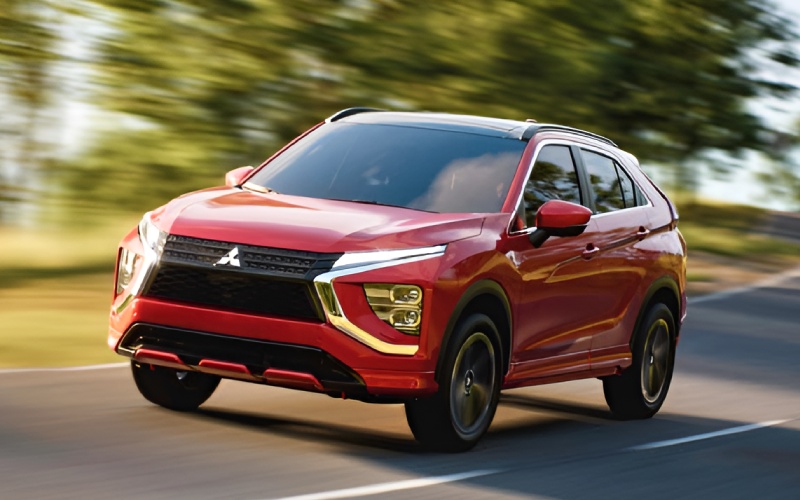
Sheridan Mitsubishi – Which AWD feels more secure for Wilmington, DE commutes — S-AWC on Eclipse Cross or HTRAC AWD on KONA?
Shoppers often ask a straightforward question that carries a lot of weight once winter arrives: which AWD system delivers more confidence on real roads—Mitsubishi’s Super-All Wheel Control (S-AWC) on the Eclipse Cross or Hyundai’s HTRAC AWD on KONA? The answer starts with how the systems manage traction. S-AWC brings front-rear torque distribution, brake-based torque vectoring, and yaw control logic calibrated to maintain stability as surfaces change. HTRAC responds quickly and adds selectable drive modes, but it does not layer in Mitsubishi’s integrated yaw control approach. That additional layer is part of why many drivers describe S-AWC as feeling more planted during slush, rain, and cambered off-ramps.
There is also a practical ownership angle. Eclipse Cross equips all trims with S-AWC, so every version off the lot carries the same all-weather foundation. KONA makes HTRAC available, but it is not standard. If your routine spans neighborhood streets, highway merges, and tight parking in cold or wet weather, the security of an every-trim AWD baseline simplifies the decision. And while both vehicles offer robust driver-assistance suites—like Forward Collision Mitigation/Forward Collision-Avoidance Assist, Blind Spot features, and available surround-view cameras—what happens at the tire contact patch in slick conditions still matters most.
- How S-AWC works: Coordinates torque split, braking, and yaw to preserve your line when surfaces change mid-corner.
- What HTRAC does well: Distributes torque proactively and offers selectable traction modes for sand, snow, and more.
- Every-trim advantage: Eclipse Cross includes S-AWC across the lineup; KONA’s AWD must be selected.
- Parking-lot poise: Both SUVs offer available surround-view camera systems to reduce stress in tight spaces.
- Tech integration: Each offers wireless smartphone compatibility and connected services to keep you informed.
Driving feel is the tie-breaker. S-AWC tends to engage subtly—nudging torque and braking so the SUV tracks where you point it—whereas some systems can feel reactive. That calm character reduces steering corrections and throttle feathering in the very moments when attention is already taxed. Paired with the Eclipse Cross’s comfort-tuned suspension and quiet cabin, S-AWC contributes to an overall sense of composure on rough patches and rutted plow lines.
For shoppers weighing daily utility against weekend plans, think about how often conditions swing from dry to damp to icy within one trip. If that sounds like your commute, a system that is always on and always calibrated for stability pays dividends. And because Eclipse Cross layers in available features like a Multi-View Camera System, Handsfree Power Tailgate, and Adaptive Cruise Control, it builds a well-rounded ownership experience around that AWD core.
Frequently Asked Questions:
Does S-AWC replace winter tires?
No. S-AWC enhances traction and stability, but appropriate seasonal tires remain the biggest performance upgrade for cold-weather grip and braking.
Can HTRAC AWD handle unplowed neighborhood streets?
Yes, when equipped, HTRAC distributes torque to help you get moving and maintain momentum. Selecting a snow mode can further improve response in deep or loose material.
Is there a ride-quality difference between the two?
Both are comfortable, but many drivers note Eclipse Cross feels especially settled over patched asphalt and expansion joints, adding to confidence when weather turns.
Still deciding? Schedule a back-to-back drive to feel how each system reacts during quick lane changes, tight turns, and stop-and-go starts on wet pavement. A short loop can reveal how calm steering, predictable throttle, and well-timed torque shifts translate into reduced effort behind the wheel. Sheridan Mitsubishi is serving Wilmington, Newark, and Bear with guidance that focuses on how these systems perform where you actually drive. If confident control across your entire trim walk matters to you, S-AWC on Eclipse Cross makes a persuasive case.
When weather is a variable, consistency becomes your friend. That is why many commuters choose the Eclipse Cross—every-trim S-AWC, a composed chassis, and an easygoing cabin that keeps your focus forward. For those who like a highly digital cockpit and want to configure AWD by trim, KONA remains compelling. The best way to answer the AWD question is to feel it for yourself on familiar roads, then choose the SUV that feels calmer and more predictable in your hands.
0 comment(s) so far on Which AWD feels more secure for Wilmington, DE commutes — S-AWC on Eclipse Cross or HTRAC AWD on KONA?