
Which compact SUV handles year-round commutes better around Wilmington, DE — 2026 Mitsubishi Outlander Sport or 2026 Chevrolet Trax?
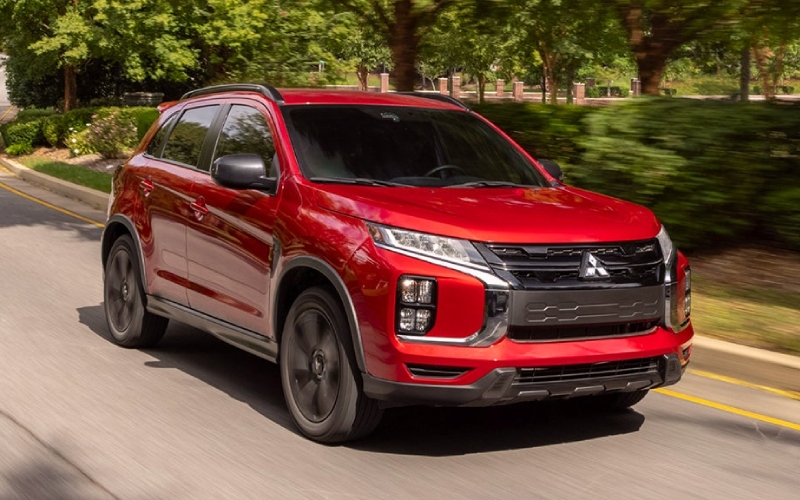
Sheridan Mitsubishi – Which compact SUV handles year-round commutes better around Wilmington, DE — 2026 Mitsubishi Outlander Sport or 2026 Chevrolet Trax?
Drivers comparing compact SUVs often ask a straightforward question: which one actually feels more composed in the real world when weather, road surfaces, and traffic vary throughout the week? If you’re weighing the 2026 Mitsubishi Outlander Sport against the 2026 Chevrolet Trax around Wilmington, DE, the answer comes down to traction strategy, chassis tuning, and how consistently the vehicle supports you across different conditions. Both vehicles are easy to live with, offer modern infotainment, and fit neatly in city parking spaces, but they take very different paths to everyday confidence. Below, we break down the core differences in a structured, practical way to help you decide which compact SUV better matches your day-to-day driving.
Quick context: drivetrains and design intent
The 2026 Outlander Sport is a compact SUV that prioritizes stability and control with standard All-Wheel Control (AWC) across trims, a multi-link rear suspension, and 8.5 inches of ground clearance. The 2026 Trax is front-wheel drive only, tuned to keep ownership simple for urban commuters who mainly see predictable surfaces. Both offer intuitive infotainment—Outlander Sport with a standard 8.0-inch Smartphone-Link Display Audio and Trax with available 11-inch center touchscreen—but the Outlander Sport is engineered to maintain traction and poise when pavement gets inconsistent, which is a reality in and around the Brandywine Valley.
AWC vs. front-wheel drive: what you’ll feel in daily use
All-Wheel Control is more than a spec sheet line—it’s a system that smartly distributes torque to help the Outlander Sport stay settled when you pull away on a slick patch, merge from a short on-ramp, or negotiate uneven pavement near construction. In normal driving, AWC works silently and efficiently, and when traction drops, the system adds grip without jolts or drama. Trax, being FWD, uses stability and traction aids to maintain control. Those software tools are helpful, but they can’t send power to the rear wheels; that means you’ll feel earlier intervention through braking or reduced throttle when the surface gets iffy. If your week regularly includes wet mornings, leaf-covered back streets, or gravel cut-throughs to local parks, you’ll likely notice the Mitsubishi’s traction advantage.
Chassis confidence over imperfect pavement
Chassis design matters just as much. Outlander Sport uses a multi-link rear suspension that helps the rear tires follow road contours, improving grip and ride refinement when you hit patched asphalt or bridge seams. The Trax uses a torsion-beam rear—simple and space-efficient, but less compliant over bumpy surfaces. On a short test drive, both feel composed. Over months of commuting, the Outlander Sport’s calmer responses reduce small steering corrections and make longer drives feel less tiring. Pair that with ventilated front disc brakes, solid rear discs, and standard Automatic High Beam (AHB), and the Mitsubishi’s everyday polish shows up in subtle but meaningful ways.
Interior tech and convenience
Both vehicles offer the must-haves: Apple CarPlay® and Android Auto, clear touchscreens, and helpful storage. The Trax adds available wireless charging and standard wireless smartphone mirroring, which many drivers love. Outlander Sport counters with practical touches that smooth out life’s edges: Automatic Climate Control on every trim, available heated front seats, rear USB ports on select trims, and a cabin layout that keeps your eyes up and hands settled on the wheel. If you thrive on a tech-first cabin, Trax has an edge. If you prefer controls that feel durable and easy to use without looking away, the Outlander Sport’s design philosophy will resonate.
Safety and driver assistance
Safety coverage is strong on both sides. Outlander Sport includes Forward Collision Mitigation (FCM) with Pedestrian Detection, Lane Departure Warning (LDW), Automatic High Beam (AHB), Active Stability Control (ASC), Hill Start Assist (HSA), a Rearview Camera, and Rear Seat Alert. Trax bundles Chevy Safety Assist—Forward Collision Alert, Automatic Emergency Braking, Front Pedestrian Braking, Lane Keep Assist with Lane Departure Warning, Following Distance Indicator, and IntelliBeam High Beam Assist. For drivers who value a long-term support plan just as much as the feature list, Mitsubishi Motors backs the Outlander Sport with a 10-year/100,000-mile Powertrain Limited Warranty, 2-Year/30,000-Mile Limited Maintenance, and 5 years of roadside assistance.
Who should choose which?
If your daily routine is largely smooth roads, short city hops, and you prioritize a larger available touchscreen with wireless smartphone mirroring, the Trax fits well. If your week includes a mix of neighborhood streets, highway merges, and occasional rough patches—plus you want the security of power going to all four wheels when you need it—the Outlander Sport is the smarter long-term fit.
Key takeaways at a glance
- Traction strategy: Outlander Sport uses standard AWC for confident grip; Trax is front-wheel drive only.
- Ride composure: Outlander Sport’s multi-link rear suspension keeps the cabin calmer over imperfect roads; Trax’s torsion beam is simpler but less compliant.
- Everyday usability: Both are easy to park and connect; Trax leans tech-forward with available larger screen and wireless charging, while Outlander Sport emphasizes intuitive controls and practical features.
- Ownership support: Outlander Sport includes long powertrain warranty coverage and limited maintenance—peace of mind that adds value beyond the spec sheet.
Frequently Asked Questions:
Is All-Wheel Control (AWC) standard on every 2026 Outlander Sport?
Yes. AWC is standard across the 2026 Outlander Sport lineup, helping deliver predictable traction and calm, stable responses on varying surfaces.
Does the 2026 Trax offer all-wheel drive?
No. The 2026 Chevrolet Trax is front-wheel drive only, relying on traction management systems rather than sending power to all four wheels.
Will the Outlander Sport feel different on rougher city streets and ramps?
Most drivers notice steadier tracking and fewer small corrections in the Outlander Sport thanks to its multi-link rear suspension and AWC, especially on patched asphalt, bridge seams, and uneven surfaces.
How do the infotainment systems compare?
Both provide Apple CarPlay and Android Auto. The Trax offers an available 11-inch screen and wireless charging, while the Outlander Sport focuses on an easy-to-use 8.0-inch system and practical comfort features like Automatic Climate Control on every trim.
Ready to test how each feels in your daily routine? Schedule time to drive both back-to-back and note the differences in traction, steering corrections over rough patches, and how relaxed you feel at the end of the route—those are the real-world markers that matter. Sheridan Mitsubishi is proudly serving Wilmington, Newark, and Bear with guidance that puts everyday usability first.
0 comment(s) so far on Which compact SUV handles year-round commutes better around Wilmington, DE — 2026 Mitsubishi Outlander Sport or 2026 Chevrolet Trax?